Answers on time
A response plan built around the customer's deadline, with an owner for every section.
Sustainability
Supplier sustainability questionnaire help for Kentucky manufacturers and producers. We build the energy and emissions data your customers ask for, draft consistent answers and set you up to do it again next year with far less effort.

Sustainability questions now travel upstream through supply chains. The suppliers who answer well are the ones invited back.
Questions about emissions now swim against the current. A brand or automaker sets an emissions goal, much of its footprint sits with its suppliers, and so the questions travel back up the chain: to Tier 1 parts makers, then to the plant that stamps brackets, the cooperage, the glass supplier, the grain elevator and the box plant.
Kentucky has a lot of those suppliers. The state assembles vehicles in Georgetown, Louisville and Bowling Green, and its bourbon, food and packaging industries ship to national brands. When the first questionnaire arrives, it often lands on a plant manager or controller who has never been asked for an emissions figure. That’s where our supplier sustainability questionnaire help begins.
They come in a few forms:
We aren’t affiliated with CDP or any platform. We help you build the data and the answers; you submit them.
The fastest way to answer ten questionnaires is to stop answering them one at a time. We build a repeatable data file:
Every number in every answer traces back to that file. Next year you update the file, and the answers follow. The emissions math uses the same published methods as our Carbon & Scope 2 Reporting service.
Here’s the risk most first-time responders miss: your customers can compare answers. If your CDP response and a customer portal show different electricity totals for the same year, the difference is what gets noticed. The same goes for year two. A number that rises with an explanation reads better than one that changes without one.
So we keep a narrative library: approved text for recurring questions, such as how you measure energy, what you’ve done to reduce it and what you plan next. Each customer gets small edits; the facts underneath stay the same.
Many requests also ask for emissions allocated to that customer’s share of your output. Choose a basis, such as production volume or revenue share, say which one, and use it for every customer.
Questionnaires increasingly ask whether you buy renewable electricity, or plan to. For LG&E and KU business customers, the Green Tariff offers RECs, on-site Business Solar and, for large loads, Renewable Power Agreements. Unbundled RECs and on-site solar are open to nearly everyone. We evaluate what’s realistic for your load and budget, so any answer about future plans is something you can actually do. The Sustainability Consulting page compares the options side by side.
Priya Venkataraman leads this work. Our Scott County supplier scenario shows how a first response comes together, and the questionnaire guide covers common questions. The suppliers who answer clearly, on time and the same way each year are the ones customers keep calling.
What you walk away with
A response plan built around the customer's deadline, with an owner for every section.
A repeatable data file holds every figure, factor and assumption behind your answers.
The same facts, in the same words, across every customer, portal and year.
Renewable options evaluated, so a question about future plans gets a real answer.
How it works
2–4 weeks from complete data, so start as soon as the request arrives. You'll know the scope and the fee before any work begins.
A free 20-minute call to look at the request, the deadline and the data you already have.
A written scope, timeline and fixed fee before any work starts.
We map every question to a data source and an owner, then collect bills, production data and policies.
We build the data file, calculate the energy and emissions figures and draft answers for your review.
You approve every answer and submit it yourself, and we walk you through the file for next year. One round of follow-up questions is included.
Deliverables
Where our work stops
Part of our Sustainability Consulting practice. Also in this practice: Carbon & Scope 2 Reporting.
FAQ
Usually less of a problem than an inconsistent or unsupported answer. A clear statement of what you don't track yet, and when you plan to start, is better than a guess.
No. We have no affiliation with CDP or any rating platform. We help you gather data and draft answers, and you submit through the platform under its terms, including any fee it charges disclosers.
Pick a reasonable allocation basis, such as production volume or revenue share, disclose it, and use the same basis for every customer. We document the method so the answer can be repeated next year.
Not necessarily, but customers often ask. We evaluate your realistic options, such as utility green programs, RECs or on-site solar, so any target you choose rests on something you can actually do.
We cover energy, emissions and renewable electricity. Questions on labor practices, ethics and legal compliance need answers from the people who own those areas inside your company.
Related

Illustrative scenario
An auto-parts supplier with about 180 employees and two buildings must report 2025 Scope 2 emissions and a renewable-electricity plan to a customer. We show the method, from bills to options.
Read more
Business & Sustainability
What supplier sustainability questionnaires ask, how to build one reusable data file, what CDP and EcoVadis-style requests involve, and what not to overclaim.
Read more
Service
An annual, non-certified estimate of emissions from purchased electricity using the GHG Protocol Scope 2 Guidance and EPA eGRID factors, with location-based and market-based results and a methods memo.
Read more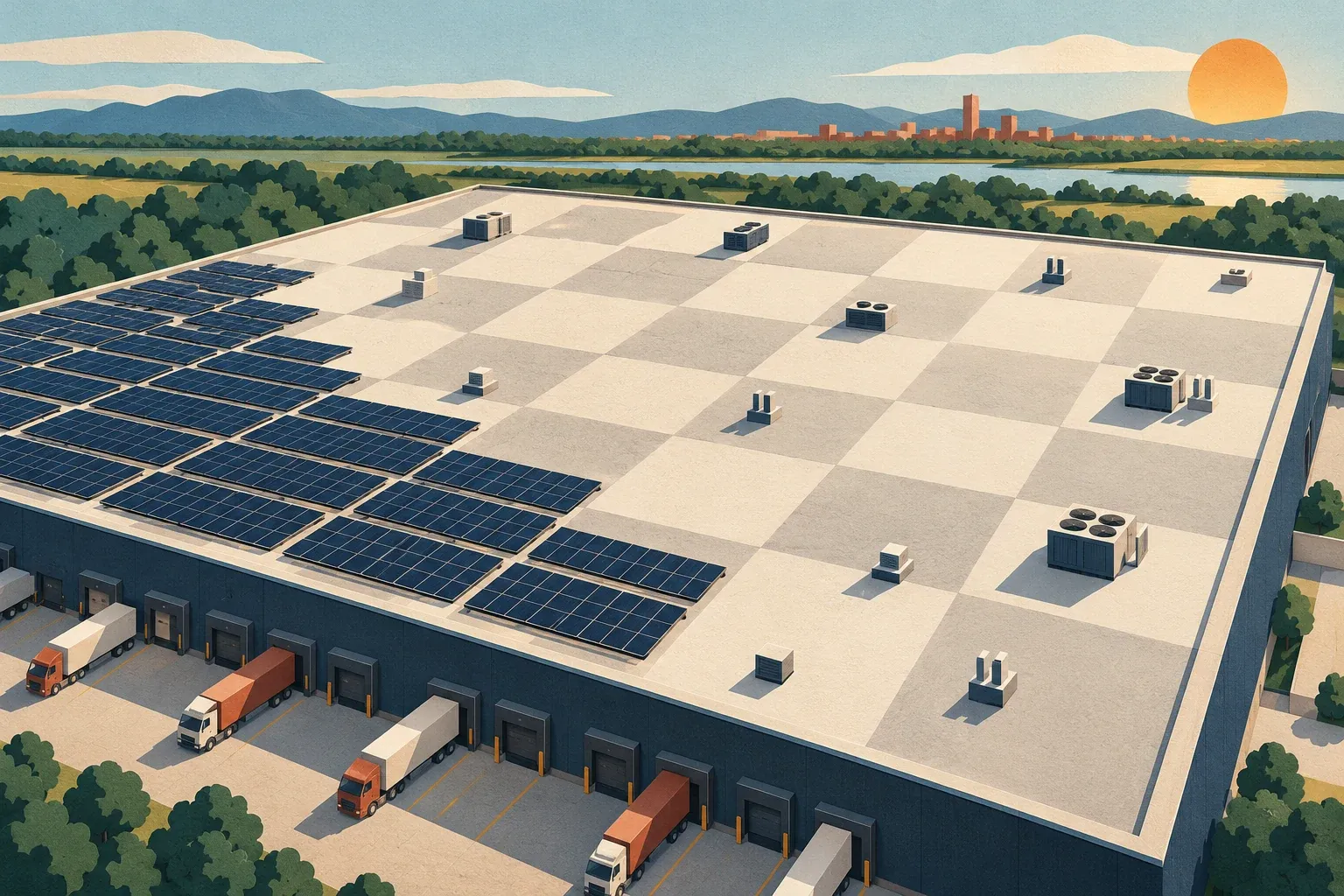
Who we serve
Independent feasibility, procurement, and Scope 2 support for Kentucky plants weighing on-site solar, green tariffs, and supplier sustainability requests.
Read moreNext step
Tell us what you are weighing. A free 20-minute fit call is enough to know whether we can help and what it would take.